


Published on July 15, 2026
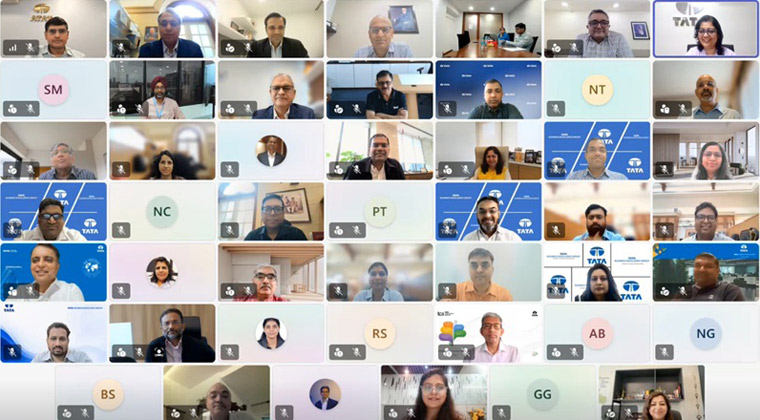
The TBEM Assessments 2026 Mentors’ Programme, conducted virtually on July 10, 2026, brought together Mentors, Assessment Team Leaders and the TBExG team for an engaging exchange of ideas, experiences and expectations ahead of the upcoming Assessment cycle. The programme reinforced the invaluable role that Mentors play in strengthening the quality of Assessments while nurturing the next generation of Assessment leaders.
Loveleen Mishra, Head - Competency Development, TBExG, welcomed the participants and highlighted that the programme had been thoughtfully designed to bring together perspectives from key stakeholders — including senior leaders, team leaders and experienced Mentors — so that collective learning could make the 2026 Assessment cycle even more impactful.
Building Future-Ready Assessments
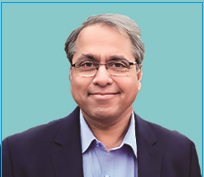 In his welcome address, Sanjeev Singh, Vice President and Head - TBExG, reflected on the unique value that Mentors bring to the TBEM Assessment process. While Assessment teams contribute their enthusiasm, analytical capability and commitment, Mentors enrich the process with years of leadership experience, and the wisdom gained from steering organisations through growth, disruption and transformation.
He emphasised that in today’s rapidly evolving business environment, excellence extends far beyond process discipline. Organisations are expected to anticipate change, build resilience and adapt continuously in the face of emerging challenges such as AI, sustainability, geopolitical shifts and changing workforce dynamics. Mentors therefore play a vital role in helping Assessment teams move beyond observations to meaningful insights that business leaders can act upon.
Sanjeev also outlined two important focus areas for the 2026 Assessment cycle —business model resilience and cyber readiness. He encouraged Mentors to help teams ask deeper questions around strategic resilience, future growth, leadership capability and cyber preparedness so that Assessment feedback remains relevant, forward-looking and valuable for CEOs and Boards. He concluded by emphasising that mentorship is not only about improving Assessments, but also about developing Assessors, strengthening cross-group learning and building a common language of excellence across the Tata Group.
Reflecting on the Growing Mentoring Ecosystem
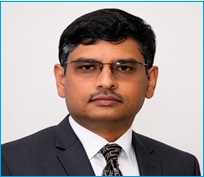 Building on this context, Subhrajit Basu, Assistant Vice President – Service Delivery, TBExG, reflected on the evolution and importance of the mentoring ecosystem within TBEM. He acknowledged the growing community of Tata leaders who voluntarily invest their time and experience in developing Assessment teams and enhancing the quality of organisational feedback. He highlighted how the mentoring journey has continuously evolved alongside the Assessment process, making it stronger, richer and more relevant with every passing year.
His reflections from the past Assessment cycle and invaluable contributions by the Mentors reinforced that mentoring is much more than guidance during Assessments —it is about transferring knowledge, nurturing capability and preserving the culture of excellence that has distinguished the TBEM journey for decades.
A CEO’s Perspective on Mentorship
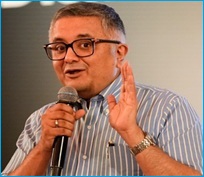 Offering the perspective of an Assessee organisation, Shibashish Roy, CEO, Infiniti Retail, shared how Mentors create value far beyond the formal Assessment process. He explained that Mentors act as trusted sounding boards who help leadership teams look beyond immediate operational priorities and reflect on longer-term strategic issues.
He shared that Mentors ask thoughtful questions that often challenge assumptions, encourage deeper reflection and help leadership teams view opportunities and challenges from a broader perspective. Their external experience and balanced viewpoint enable organisations to appreciate both their strengths and their blind spots, making the Assessment process a genuine developmental exercise rather than merely an evaluation.
The Team Leader’s Perspective
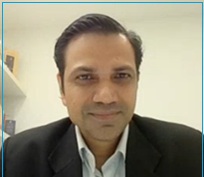 Next, Dr Richard Lobo, Global Head Innovation, R&D, CQH, Chief Ethics, Tata Chemicals, spoke about the support and guidance the Assessment team value from Mentors. Through a powerful analogy of a river flowing towards the ocean, he compared Assessment teams to rivers that gather knowledge, experiences and perspectives along their journey, while Mentors provide the direction and boundaries that keep the journey purposeful.
He emphasised that Mentors help Assessment teams connect seemingly isolated observations into meaningful business insights. By sharpening strategic thinking, challenging assumptions and ensuring that feedback is evidence-based and actionable, Mentors enable teams to deliver feedback that organisations can truly use. He also highlighted that Mentors help preserve the right balance between rigour and empathy, ensuring that Assessments remain developmental and future oriented.
Learning from Mentor Experiences
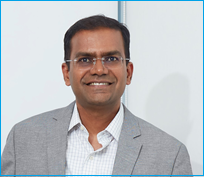 Drawing from his experience as a mentor, P Venkatesalu, Managing Director, Trent, shared practical insights on working with Assessment teams. He spoke about the importance of establishing trust with team members, encouraging open discussions and helping teams maintain a strategic perspective throughout the Assessment journey. He emphasised that Mentors should challenge teams thoughtfully, encourage curiosity and help convert observations into meaningful conversations that create value for the organisation.
 Suma Venkatesh, Executive Vice President, Real Estate and Development, The Indian Hotels Company, complemented these thoughts by sharing her own mentoring experiences and the importance of balancing guidance with empowerment. She encouraged Mentors to create an environment where Assessment teams feel confident to explore, question and learn independently while knowing that experienced guidance is always available when required. She also highlighted that every Assessment provides opportunities for mutual learning — for Mentors, Assessment teams and the organisations alike.
Looking Ahead
Bringing the programme to a close, Loveleen summarised the rich insights shared throughout the afternoon and thanked all the speakers and participants for their candid reflections. The discussions reinforced a common message — effective mentoring combines experience with empathy, strategic thinking with practical wisdom, and guidance with empowerment.
As TBEM Assessments 2026 commence, Mentors remain central to the success of the Assessment journey, bringing valuable guidance, insights and experience.