


Published on June 05, 2026
At a time when parts of the world are retreating from commitments to diversity and inclusion, leaders across the Tata group gathered for the TAAP (Tata Affirmative Action Programme) Convention 2026 at the Royal Opera House in Mumbai to reaffirm a different belief: that inclusion is not a peripheral social initiative, but an essential driver of long-term prosperity.
The venue itself offered a fitting metaphor. Opening the convention, Shreyas Desai, Assistant Vice President, Tata Sons, reflected on the restoration of the century-old Royal Opera House, once neglected and nearly lost before being painstakingly revived and reopened. Its story, he observed, was one of restoring what had been overlooked and creating new possibilities. In many ways, it echoed TAAP’s journey of sustained structured efforts to expand opportunity and participation across communities.
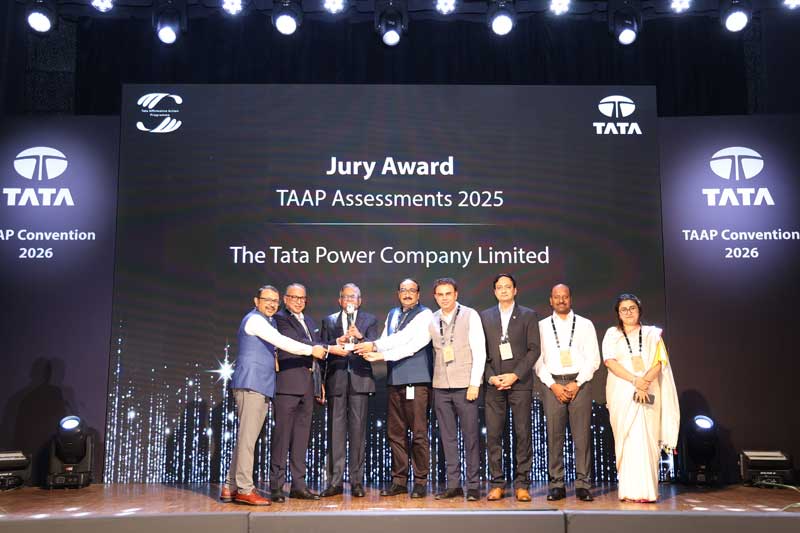
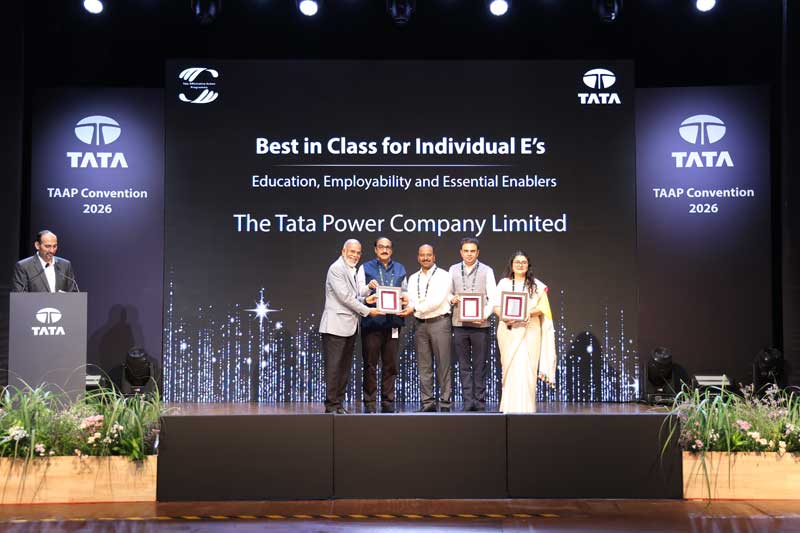
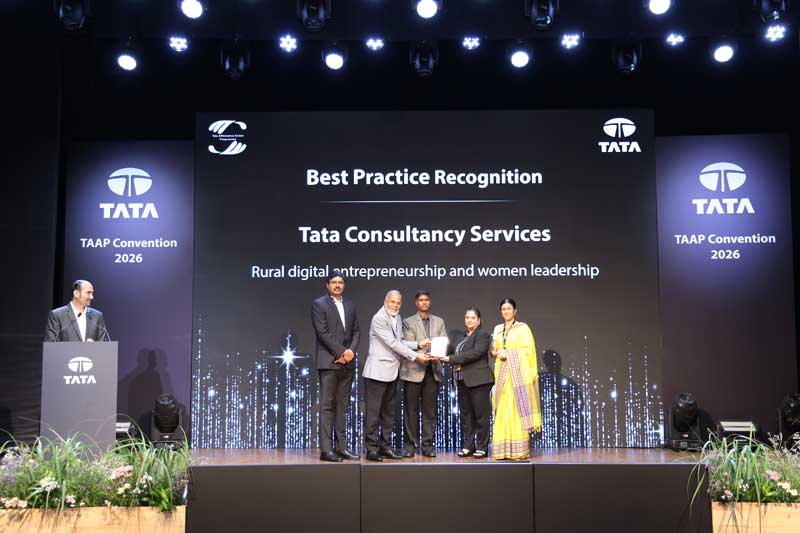
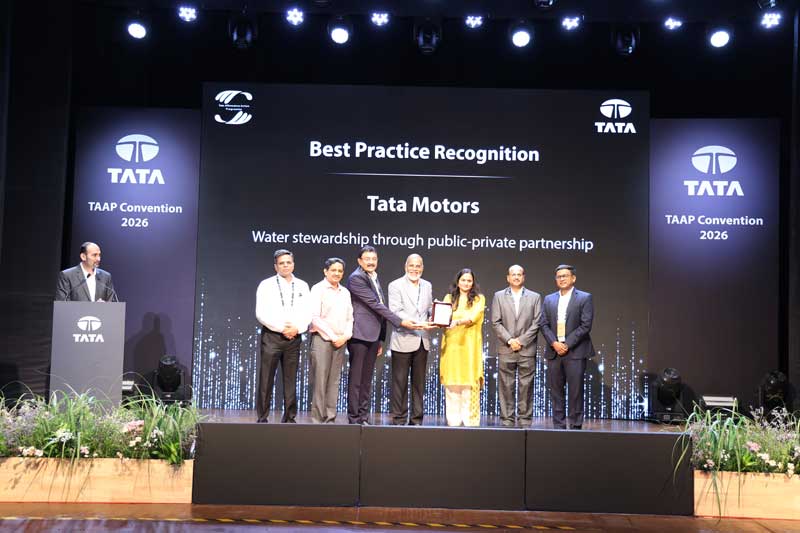
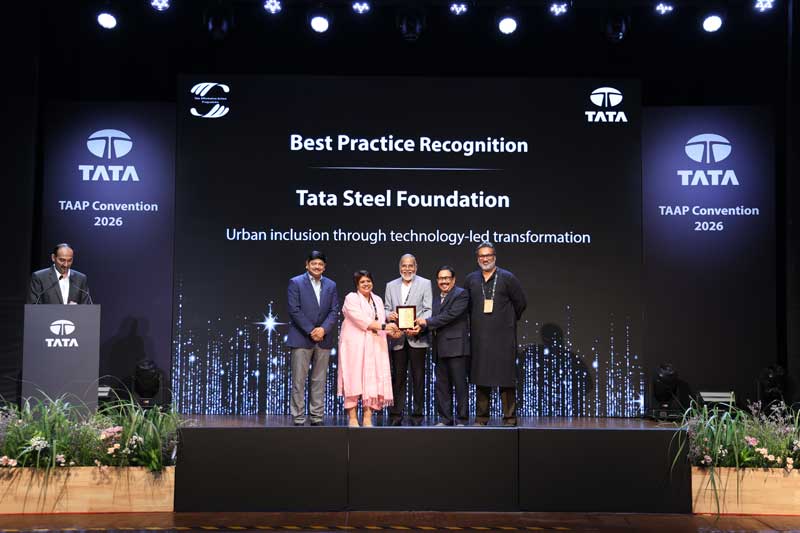
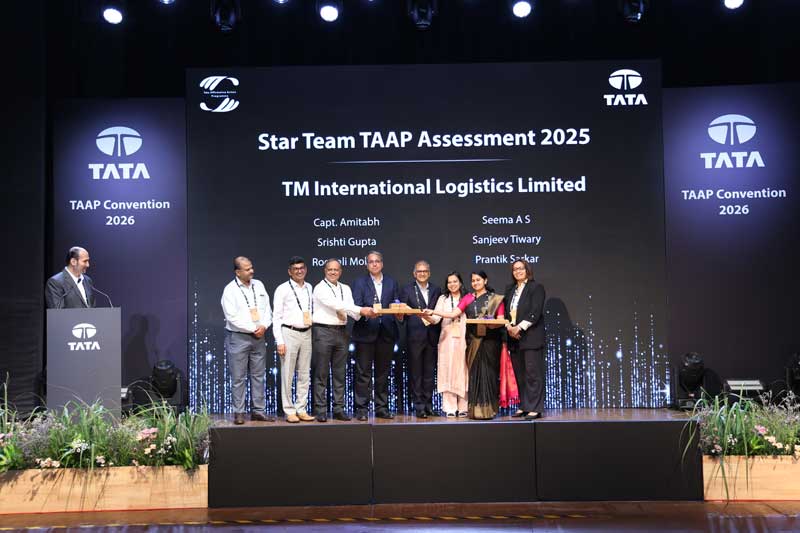
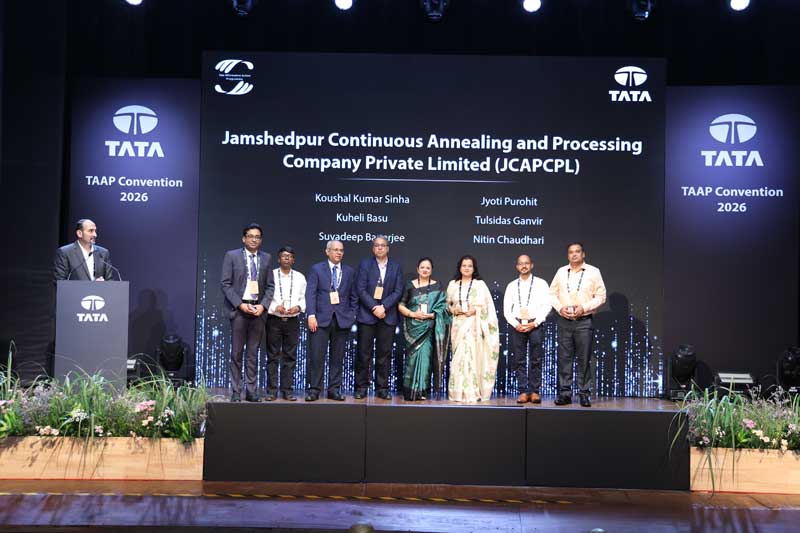
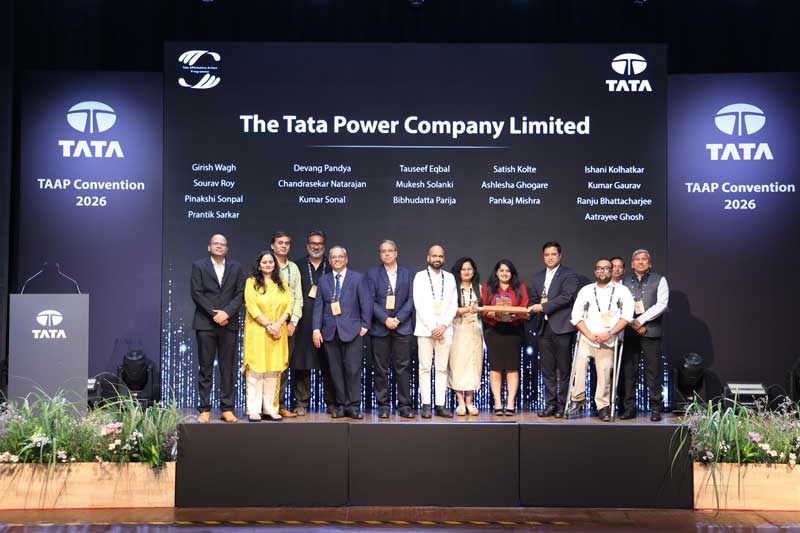
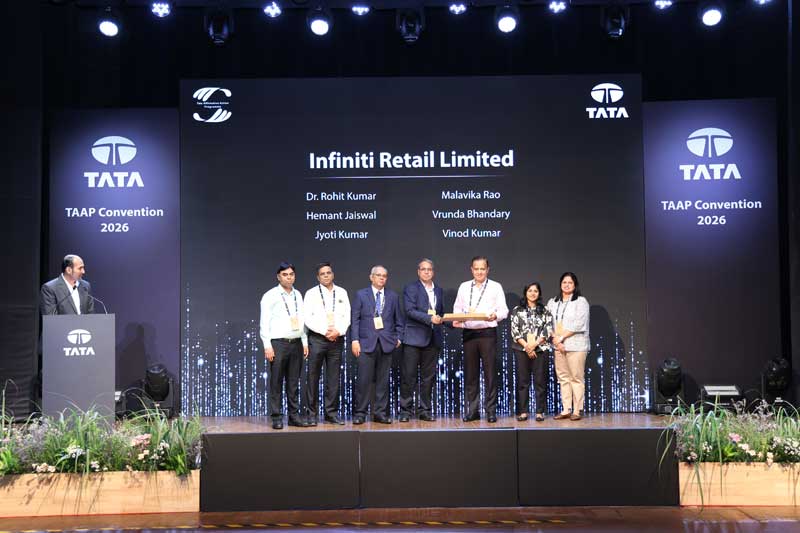
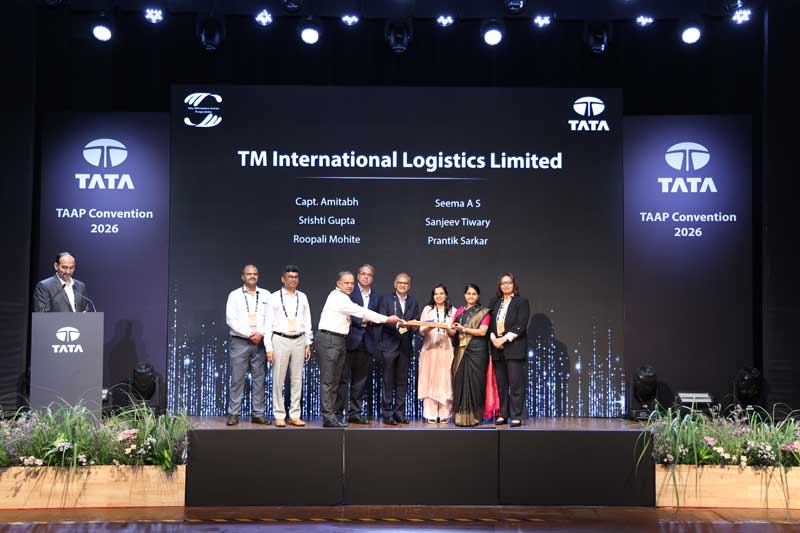
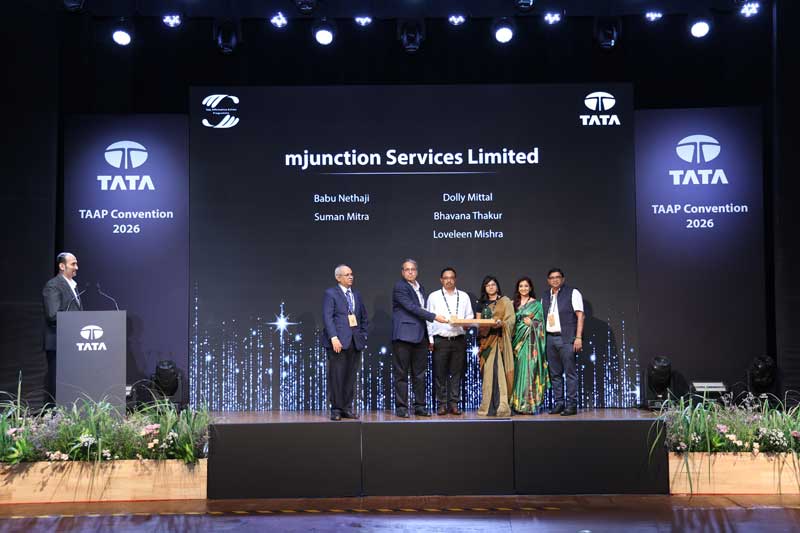
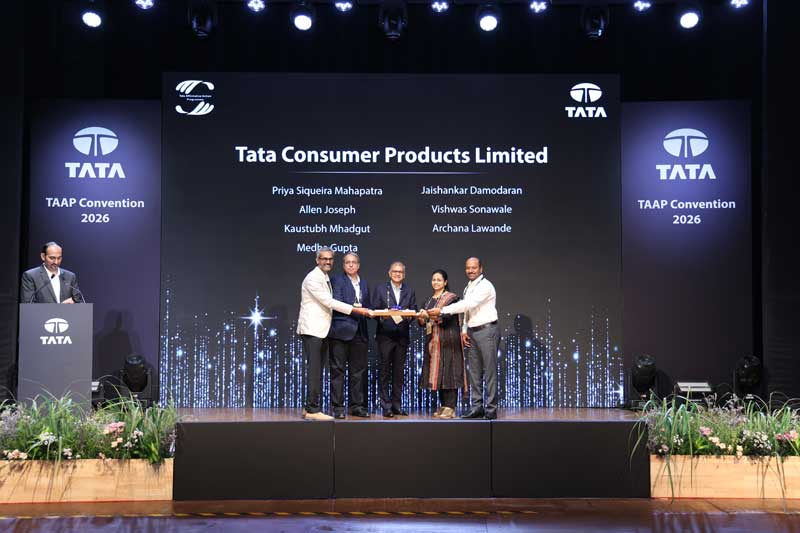
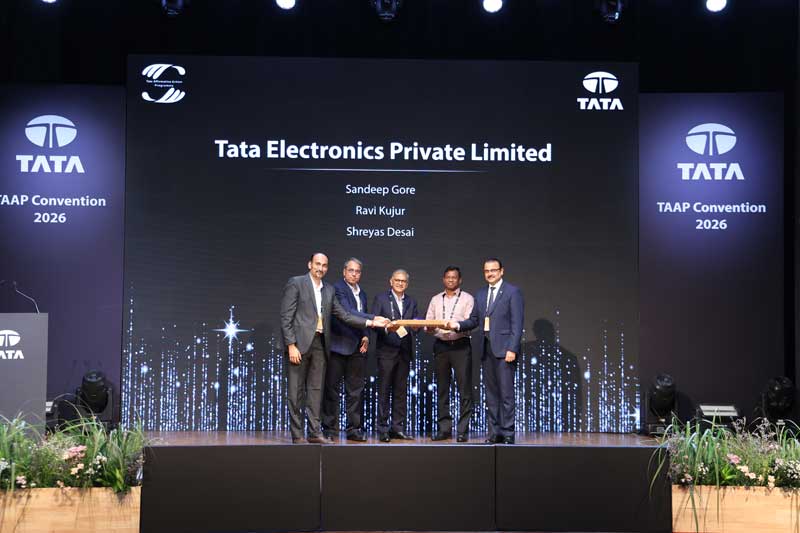
Click here to see the list of recognitions in Tata Affirmative Action Programme 2026
Over the years, TAAP has evolved from a policy commitment into a comprehensive framework spanning employment, entrepreneurship, employability, education and essential enablers (the 5 Es). Today, the programme reaches millions through initiatives led by Tata companies, while continuing to strengthen assessment, learning and capability-building mechanisms across the Group.
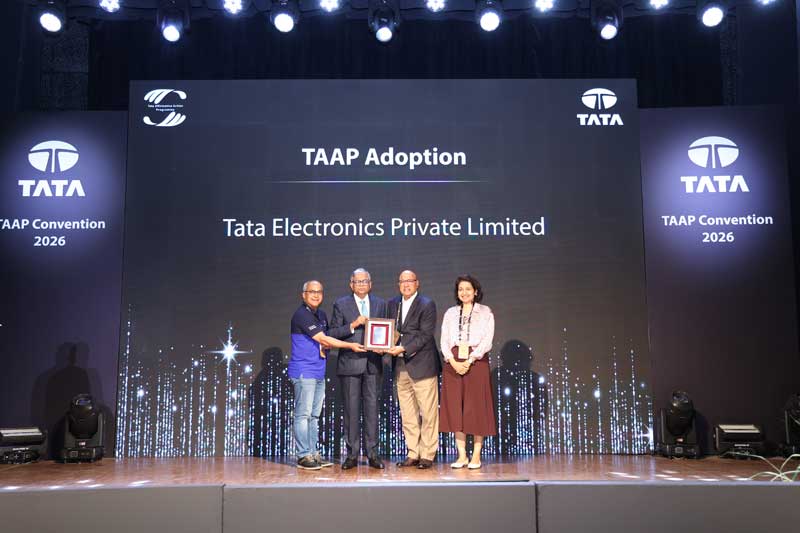
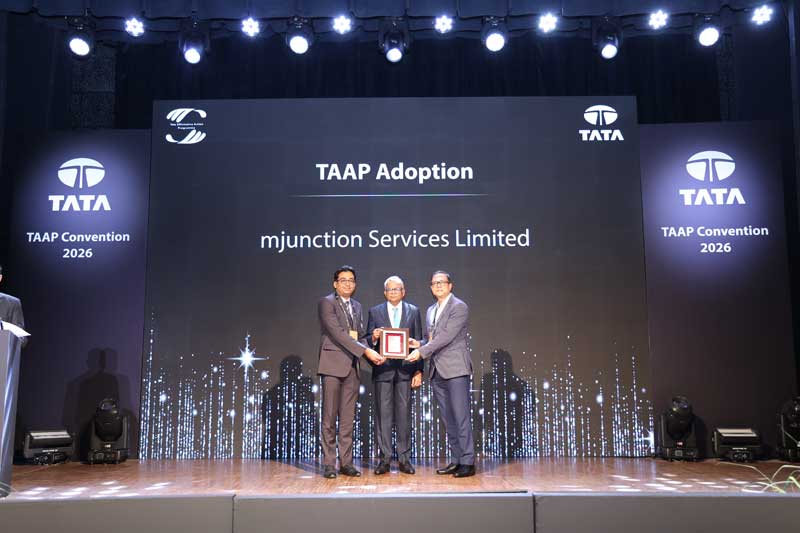
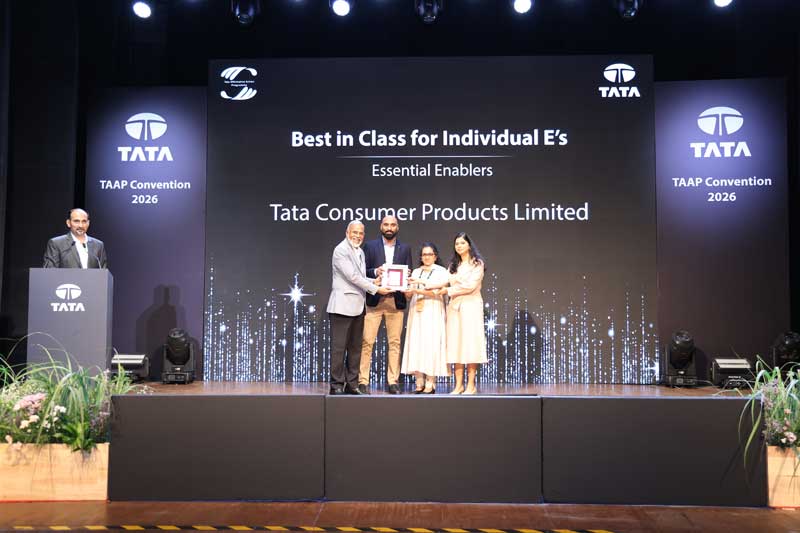
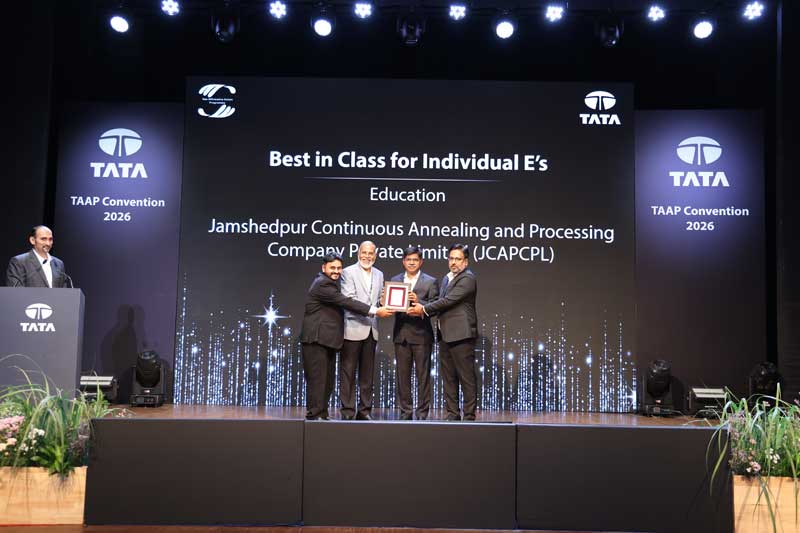
The next chapter of the TAAP journey
A recurring theme throughout the convention was that the next phase of Affirmative Action (AA) will require deeper integration with business strategy and organisational capabilities.
Addressing the gathering, Group Chairman N. Chandrasekaran reflected on the progress made so far while emphasising the responsibility that lies ahead. "As a Group, we have a responsibility to show leadership. What we need is distributed wealth creation, not merely distribution of wealth", he said.
He noted that inclusion should not be viewed as an act of charity or a standalone programme, but as a structured capability that enables broader participation in economic growth. Calling for clear goals and measurable commitments, he highlighted areas such as entrepreneurship, social security awareness, employability and opportunities for students from Affirmative Action communities.
Building on this perspective, Dr R. A. Mashelkar, Chair, TAAP Governing Council, urged organisations to move beyond remedial approaches towards proactive and future-focused action.
As technology, automation and artificial intelligence reshape economies and labour markets, he observed, there is a growing risk of vulnerable communities being left behind. The challenge for organisations, therefore, is not only to address existing inequalities but also to anticipate future ones. He called for the evolution of TAAP into a new phase that leverages technology, innovation and digital access to create pathways to shared prosperity. "India is entering an era where we must address not only the unfinished inequalities of the past, but also the emerging inequalities of the future", he said.
When opportunity creates participation
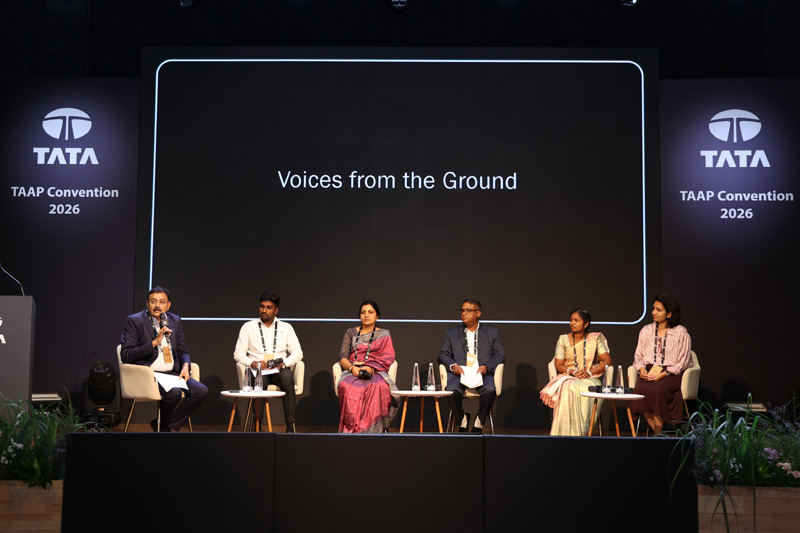
If the morning sessions focused on vision and strategy, the beneficiary panel titled ‘Voices from the Ground’ brought those ideas to life through personal stories of transformation. Moderated by Jyotin Kutty Sastabhavan, Chief Sustainability Officer, Tata Motors, the session featured beneficiaries and entrepreneurs whose journeys illustrated the impact of sustained support, mentorship and opportunity.
For Namdev Devkate, a first-generation learner supported through Tata AutoComp initiatives, mentorship proved transformative. Coming from a rural family of farm labourers, he described how guidance and encouragement helped him pursue higher education, gain professional exposure through internships and eventually secure an internship with NITI Aayog. Today, he mentors several students himself, extending the cycle of opportunity to others.
Priya Srinivasan, associated with Tata Electronics-supported self-help group initiatives, spoke about how economic participation changed not only her livelihood but also her standing within the community. What began as an opportunity to operate a dairy outlet gradually evolved into a position of influence and leadership within her village.
Anuradha Jha, Senior ABHA Coordinator with Tata Power Delhi Distribution Limited, spoke about her journey of building confidence and becoming a source of support for others in her community. Through awareness and outreach initiatives, including efforts to help individuals access cancer treatment and care, she has played a role in connecting people with critical services.
Roshan Hembram shared a similar story of growth through enterprise. Starting with a small team after receiving an opportunity to become a vendor with Tata Steel, his business has grown over 14 years to employ hundreds of people, creating opportunities within his community while demonstrating the multiplier effect of entrepreneurship.
Collectively, the stories reinforced a central idea: meaningful inclusion is not merely about access to opportunities, but about enabling individuals and communities to participate, contribute and lead.
From beneficiaries to partners
This theme was reinforced by Dr R. Balasubramaniam, Member, NITI Aayog, who challenged conventional notions of development and inclusion. "Inclusion is not just opportunity, not just certification, not just confidence. It is giving them the freedom of choice itself", he said.
He argued that communities should not be viewed as beneficiaries of interventions, but as partners in creating change. Inclusion, he noted, is not about lowering standards or distributing benefits. Rather, it is about preserving dignity, expanding choice and enabling people to shape their own futures.
His remarks resonated strongly with the beneficiary stories shared earlier in the day, each of which reflected a shift from dependence to participation and from assistance to agency.
Embedding inclusion into business
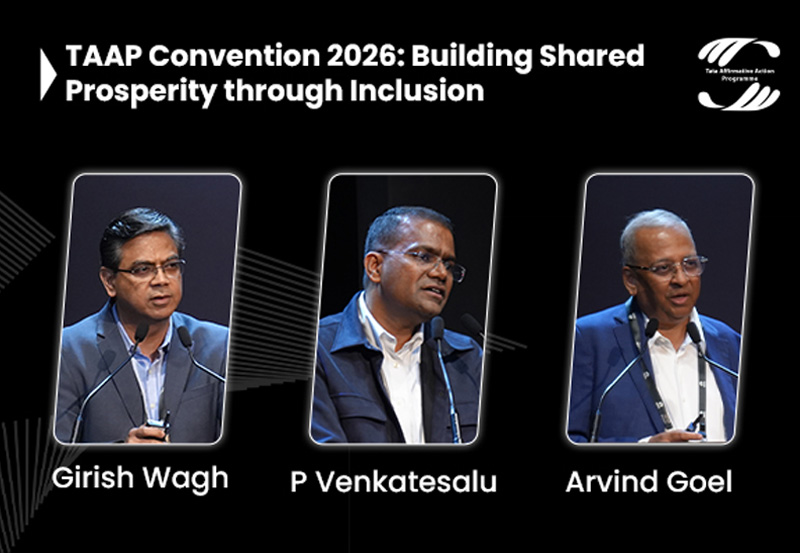
The convention highlighted how Tata companies are increasingly integrating Affirmative Action into core business processes. Sharing their organisations’ experiences, Girish Wagh, CEO, Tata Motors, P. Venkatesalu, CEO, Trent, and Arvind Goel, CEO, Tata AutoComp Systems, described approaches that connect Affirmative Action with business priorities, capability building and sustainability goals.
Their examples ranged from large-scale employability and entrepreneurship programmes to workforce participation initiatives and structured measurement of outcomes. While the approaches differed across companies, a common thread emerged: Affirmative Action is most effective when it becomes part of how an organisation operates, rather than a standalone activity.
This shift reflects the broader evolution of TAAP itself—from creating opportunities at the margins to embedding inclusion within business systems, value chains and talent pipelines.
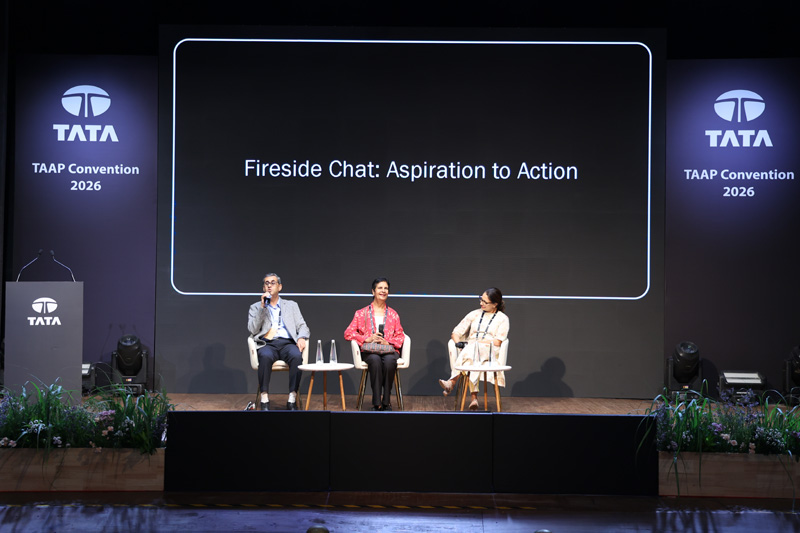
The convention’s closing fireside chat, Aspiration to Action, brought a powerful and deeply personal dimension to the day’s discussions. Moderated by Divyanshu Ganatra, of Adventures Beyond Barriers Foundation, and featuring disability rights advocate and entrepreneur Preeti Monga alongside Vandana Goyal of Avanti Fellows, who works closely with children from underserved communities, the session highlighted the importance of moving beyond accommodation towards genuine inclusion. Divyanshu and Preeti, who are visually impaired, shared insights drawn from their own experiences of overcoming barriers and challenging assumptions about disability, while Vandana brought perspectives from her work enabling educational opportunities for young people. Their conversation outlined a central message of the convention: that inclusion is not about sympathy, but about recognising potential, expanding opportunities and creating environments where every individual can participate fully and contribute meaningfully. The session served as a compelling reminder that aspiration must ultimately translate into action if organisations and societies are to become truly inclusive.
The message that emerged from the day was clear. Inclusion is not a separate agenda running alongside business. It is an integral part of building resilient organisations, stronger communities and a more prosperous society. As TAAP enters its next phase, the focus is increasingly shifting from creating access to enabling participation, and from supporting communities to ensuring they help shape the future of growth itself.